Chimney Flashing Explained: Preventing Leaks Where Roof Meets Brick
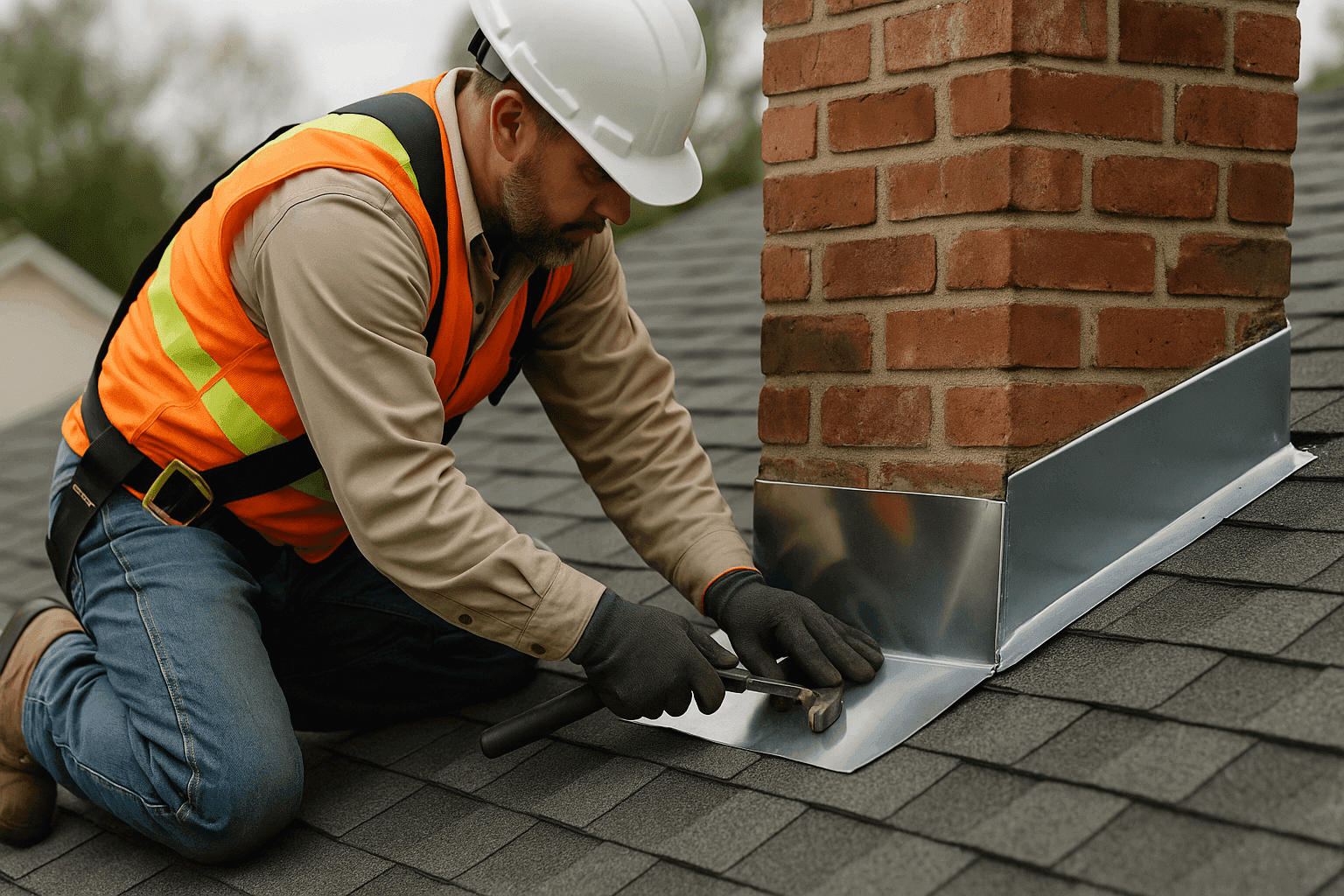
When water sneaks past your chimney, it doesn’t just drip. It seeps, spreads, and slowly rots the bones of your house. If you’ve ever spotted a yellow stain on your ceiling or heard the drip-drip of water inside walls during a rainstorm, you already know: leaks don’t wait. Ferns Roofing is here for emergency roofing needs, and we know chimney flashing is one of the most important lines of defense between your home and disaster.
Chimney flashing is small, but its job is huge. Let’s break down what it is, why it fails, and how to keep leaks out—for good.
What Is Chimney Flashing? 🧱
Chimney flashing is like the raincoat seam between your roof and your brick chimney. Where two different materials meet, water tries to sneak through. Flashing is the metal or flexible barrier that seals that gap. Done right, it channels water away, down the roof, and into your gutters—never into your home.
There are several types of chimney flashing:
- Step flashing: Metal pieces layered with each row of shingles, like fish scales, guiding water down the slope.
- Counter flashing: Metal embedded into the chimney mortar and overlapping step flashing, acting as a shield.
- Base flashing: The bottom piece, forming a watertight “apron” where roof meets chimney.
- Cricket or saddle flashing: A small, peaked structure built behind wide chimneys to split water flow.
Diagram: Common Chimney Flashing Types
     |   Chimney   |
     |     ||      |
     |     ||      |    <--- Counter Flashing
     |     ||      |____
     |     ||_____/    |   <--- Step Flashing (tucked under shingles)
     |    /_______/    |
     |   /       /     |
     |__/_______/______|
           Roof
A small bend, a missing corner, or a rusty patch can turn that shield into a funnel. That’s when trouble starts.
Signs of Flashing Failure
Not every leak is a waterfall. Sometimes, it’s a whisper. Here’s what to watch for:
- Stains: Brown or yellow marks on ceilings or walls near the chimney.
- Peeling paint: Walls or ceilings bubbling with moisture.
- Musty odors: Hidden mold and mildew love damp wood.
- Drips or puddles: Especially after storms or wind-driven rain.
- Crumbling mortar: Water getting behind brickwork, pushing it apart.
- Visible gaps: Flashing pulling away, rusted, or bent.
If you notice any of these, the time to act is now. A little leak today can mean a big repair tomorrow.
Why Does Chimney Flashing Fail?
Flashing isn’t forever. Here’s why it gives out:
- Weather: Freeze-thaw cycles, pounding rain, and summer heat can warp or crack metal and caulk.
- Improper installation: Shoddy work leaves gaps. Shortcuts now mean headaches later.
- Aging materials: Even metal corrodes. Old tar dries out and cracks.
- Settling: Houses shift, bricks move, and flashing pulls loose.
- Animal mischief: Birds, squirrels, and raccoons love to pry up loose edges.
Neglecting flashing issues can lead to:
- Rotting roof decks and framing
- Damaged insulation
- Mold growth
- Expensive structural repairs
Repair and Replacement Process
Fixing chimney flashing isn’t just “patch and go.” Here’s how seasoned roofers and masons at Ferns Roofing handle it:
- Inspection: We check for hidden damage, inside and out. Sometimes, leaks travel far from the source.
- Removal: Old, rusted, or loose flashing comes off. Damaged shingles or rotten wood are replaced.
- Prep: Clean surfaces, re-point mortar if needed, and make sure everything’s dry.
- Install new flashing:
- Step flashing layered with shingles
- Counter flashing set into new mortar joints
- Secure sealants at all joints, using code-approved products
- Water test: We simulate heavy rain to ensure no leaks remain.
- Final review: If needed, paint or treat flashing for extra protection.
All our flashing repairs are handled by skilled professionals—roofers and masons who know the details matter. Every job is warrantied for your peace of mind.
DIY vs. Pro 🛠️
Some home repairs are safe for the weekend warrior. Chimney flashing isn’t one of them. Here’s why:
DIY Risks
- Height & safety: Roof work is dangerous. One slip can mean a hospital visit.
- Hidden issues: What looks like a small gap could be a sign of deeper rot or structural trouble.
- Code compliance: Building codes (such as the International Residential Code) set strict standards for flashing. Miss a step, and you could void your insurance.
- Short-term fixes: Tar or caulk might stop a drip for now but won’t last through a hard winter.
When to Call Ferns Roofing
If you see leaks, suspect flashing issues, or want an inspection after a storm, call us. Our crew has the skills, safety gear, and experience to fix it right—the first time.
Practical Tips for Homeowners
- Annual checks: Inspect your attic and ceilings for stains every spring and fall.
- After storms: Look for shingle loss, bent flashing, or debris around your chimney.
- Trim trees: Overhanging branches can damage flashing during storms.
- Don’t ignore small leaks: Water travels. A quick call can save you thousands later.
Frequently Asked Questions
Why is flashing so important for chimneys?
Without flashing, water runs straight into the seam between brick and shingles. Over time, this can rot your roof deck, destroy insulation, and even cause structural failure.
How long does chimney flashing last?
With proper installation and materials, flashing can last 15–30 years. Severe weather, poor installation, or animal damage can shorten that lifespan.
What’s the difference between step and counter flashing?
Step flashing is installed with each shingle course, while counter flashing is set into the brick and covers the step flashing. Both are needed for a truly watertight seal.
Is emergency roofing service available for flashing leaks?
Absolutely. Leaks don’t wait for business hours. Call Ferns Roofing for rapid response, especially after storm damage restoration near you is needed.
Local and Seasonal Considerations
- Heavy rain regions: Frequent storms can loosen or rust flashing faster.
- Freeze-thaw cycles: In cold climates, ice dams form along chimneys, forcing water behind flashing.
- Historic homes: Older chimneys may need specialized repair, using period-appropriate materials.
- Tree coverage: Moss and debris can trap moisture, speeding up corrosion.
When It’s an Emergency
If water is pouring in, ceilings are sagging, or you see daylight around your chimney—don’t wait. Emergency roofing service is a call away. Quick action protects your home, your investment, and your peace of mind.
Chimney flashing is easy to ignore—until it fails. If you’ve seen the warning signs, or just want peace of mind before the next storm, Ferns Roofing is ready to help with reliable, warrantied flashing repairs.
Call Ferns Roofing now — or reach us anytime at 877-362-4465 .