How to Choose the Best Roof Sealants and Coatings for Long-Lasting Protection
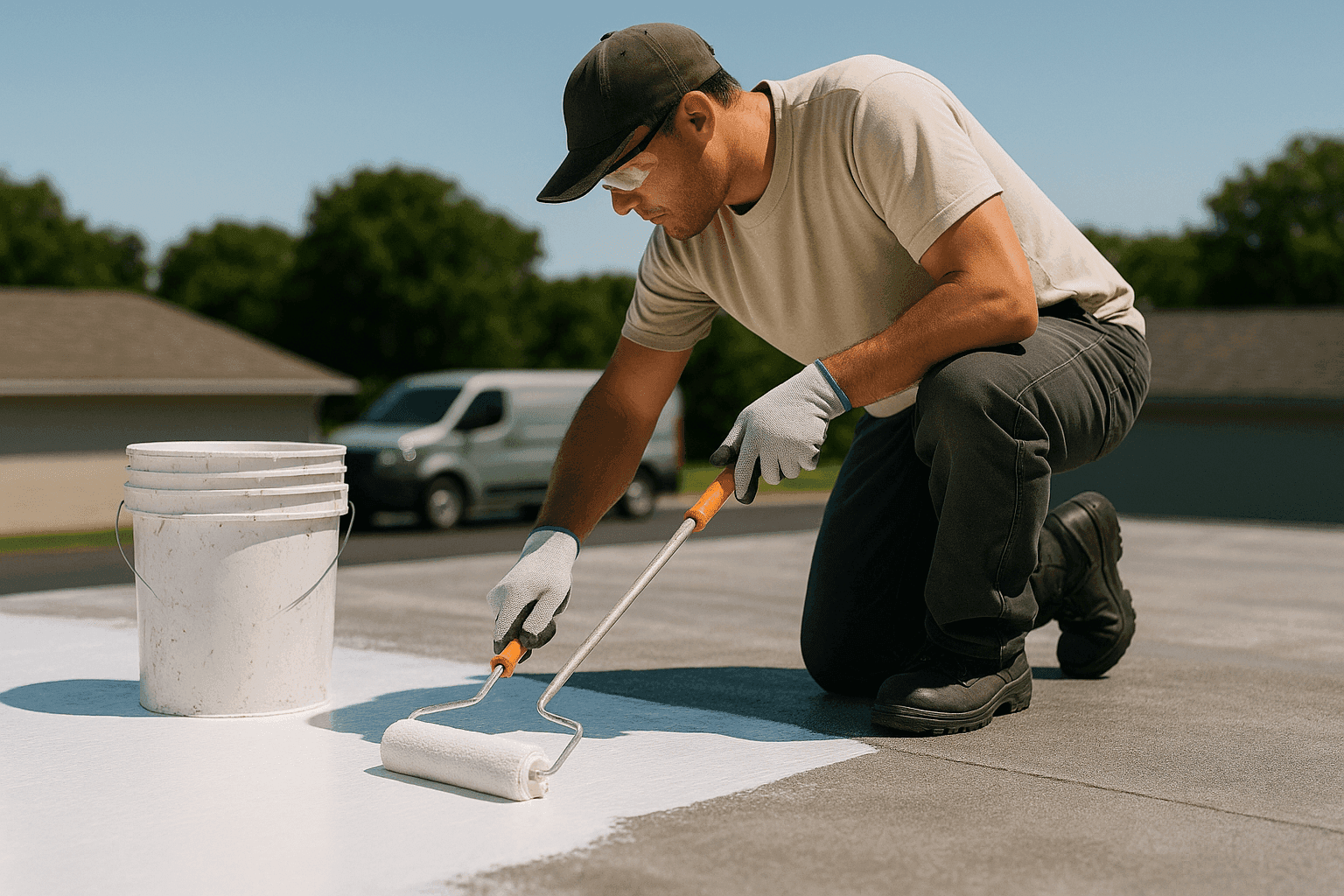
Roofs are like shields. When they’re strong, you barely think about them. When they fail, life gets stressful—fast. At Ferns Roofing, we understand what’s at stake when leaks threaten your home or business. That’s why choosing the right roof sealant or coating isn’t just a detail. It’s a decision that can save you from costly repairs, water damage, or even emergency roofing calls down the line.
Not all sealants or coatings are created equal. The wrong choice can leave your roof as vulnerable as an umbrella in a hurricane. Let’s break down what you need to know, so you can make a choice that stands the test of time—and weather.
Why Roof Sealants and Coatings Matter
A good sealant or coating is like sunscreen for your roof. It shields against sun, rain, wind, and even the occasional hailstorm. These products help prevent leaks, extend roof life, and may even boost energy efficiency. For homeowners and small business owners, investing in the right protection now means fewer headaches later.
Types of Roof Sealants and Coatings
Choosing a roof sealant or coating is a bit like picking the right boots for a hike. The terrain matters. Here are the most common types:
Acrylic Coatings
- Best for: Sloped roofs, shingle, metal, or built-up roofs
- Benefits: Reflects UV rays, easy to apply, affordable
- Drawbacks: Not the best in ponding water situations
Silicone Coatings
- Best for: Flat roofs, areas with heavy rainfall
- Benefits: Great water resistance, flexible, long-lasting
- Drawbacks: Can attract dirt, sometimes trickier to re-coat
Elastomeric Coatings
- Best for: Various roof types, especially where flexibility is needed
- Benefits: Expands and contracts with temperature, bridges small cracks
- Drawbacks: May require multiple coats for best results
Polyurethane and Bitumen-Based Sealants
- Best for: High-traffic roofs, areas prone to impact
- Benefits: Tough, durable, handles foot traffic well
- Drawbacks: Can be more expensive, may yellow with sunlight
Eco-Friendly Options
- Best for: Homeowners or businesses looking to reduce environmental impact
- Benefits: Low-VOC formulas, sometimes made from recycled materials
- Drawbacks: May have different performance profiles—always check compatibility
Key Factors to Consider Before You Choose
Every roof is a little different. Here’s what you need to weigh before picking a product:
- Roof Material: Not all coatings work with every roof. Metal, shingle, tile, flat—each has its match.
- Climate: Live somewhere with harsh sun or heavy rain? That affects your choice.
- Energy Efficiency: White or reflective coatings can help keep buildings cooler.
- Age and Condition: Older roofs might need extra prep or patching before coating.
- Environmental Goals: Want to go green? Look for eco-friendly or low-VOC options.
- Building Codes: Always check with local building codes and fire safety guidelines (see National Roofing Contractors Association and International Building Code for reference).
Quick Safety Checklist 🦺
Before you start, pause and check:
- Is the roof dry and clear of debris?
- Are you using a product compatible with your roof type?
- Do you have proper safety gear (non-slip shoes, gloves, eye protection)?
- Is the weather forecast clear for at least 24–48 hours?
- Have you read the manufacturer’s instructions completely?
DIY vs. Call a Pro
Applying sealants and coatings can seem simple—like painting a fence. But roofs are high, sometimes steep, and mistakes can be costly. Here’s how to decide:
DIY might work if:
- Your roof is single-story, gently sloped, and you’re comfortable with heights.
- The area to be coated is small and accessible.
- You have experience with home projects and follow instructions closely.
Call a professional if:
- The roof is steep, high, or has tricky access points.
- There are existing leaks, structural issues, or signs of mold.
- You’re unsure about which product to use—or how to apply it.
- You want warranty-backed results or need emergency roofing support.
What Pros Do On Arrival
When Ferns Roofing arrives, here’s what you can expect:
- Thorough Inspection: We check for damage, leaks, and existing coatings.
- Material Compatibility Test: Not every product works on every roof. We make sure yours does.
- Surface Prep: Cleaning, minor repairs, and priming as needed.
- Careful Application: Using rollers, sprayers, or brushes—whatever the job calls for.
- Final Check: We inspect our work, looking for missed spots or uneven coverage.
We follow Occupational Safety and Health Administration (OSHA) guidelines for roof work and always use products that meet or exceed industry standards.
Step-by-Step: How to Apply Roof Sealants and Coatings
If you’re set on tackling this job yourself, here’s a general roadmap. (Always follow the manufacturer’s instructions for your specific product.)
1. Inspect and Clean:
- Remove debris, moss, or old flaking coatings.
- Repair any cracks, holes, or loose shingles.
2. Prep the Surface:
- Dry thoroughly.
- Apply primer if required.
3. Apply the Product:
- Stir or mix as directed.
- Use rollers, brushes, or sprayers for even coverage.
- Start at the farthest point and work backward to your exit.
4. Allow to Cure:
- Most coatings need at least 24 hours of dry weather.
- Avoid walking on the roof until fully cured.
5. Inspect:
- Check for missed spots.
- Touch up as needed.
Maintenance Tips for Maximum Lifespan
- Annual Inspections: Check for cracks, blisters, or peeling.
- Clean Gutters and Downspouts: Prevent water pooling that can wear down coatings.
- Reapply as Needed: Some products last 5–10 years, others less—read the label.
- Address Minor Damage Quickly: Small cracks can become big leaks if ignored.
Costs & Time Factors
- Product Costs: Range widely depending on type and quality. Acrylics are often most affordable; silicones and polyurethanes can cost more.
- Labor: DIY saves money, but professional application ensures even coverage and safety.
- Time: Most jobs take 1–2 days, including prep and curing. Larger or more complex roofs may take longer.
- Long-Term Savings: A quality coating can delay the need for full roof replacement and lower energy bills.
When It’s an Emergency 🚨
Storm just blew through? Water dripping from the ceiling? In emergency roofing situations:
- Don’t climb up during a storm or when the roof is wet.
- Place buckets or tarps inside to limit water damage.
- Call a professional—Ferns Roofing offers emergency roofing services 24/7.
- Document the damage for insurance purposes.
Frequently Asked Questions
How do I know if my roof needs a new coating?
Look for peeling, cracking, or faded spots. If water isn’t beading up or you see leaks, it’s time.
Can coatings fix leaks?
They can seal minor cracks and extend the life of your roof. But major leaks or structural damage need repair first.
Are eco-friendly coatings as effective?
Many are! Just check for certifications like ENERGY STAR or Green Seal, and always confirm compatibility with your roof type.
How long do roof coatings last?
With proper application and maintenance, most last 5–10 years. Some high-end silicones can last even longer.
Special Considerations for Roof Sealants and Coatings
- Seasonal Timing: Apply coatings in mild, dry weather. Before storm season or extreme heat is ideal.
- Roof Slope: Flat roofs need products that resist ponding water. Steep roofs shed water more easily.
- Building Use: Commercial roofs may require heavier-duty coatings, especially in high-traffic areas.
- Skylights, Chimneys, Flashings: These areas need extra attention. Use compatible products and double-check for leaks.
- Safety First: Always use fall protection and follow OSHA guidelines.
Ready to Protect Your Roof for Years to Come?
Choosing the right roof sealant or coating is more than just picking a can off the shelf. It’s about understanding your roof, your climate, and your goals. If you want advice tailored to your home or business—or need emergency roofing help—Ferns Roofing is here to help.
Call Ferns Roofing now — or reach us anytime at 877-362-4465 .