How to Prepare Your Roof for Winter Storms: A Homeowner’s Guide
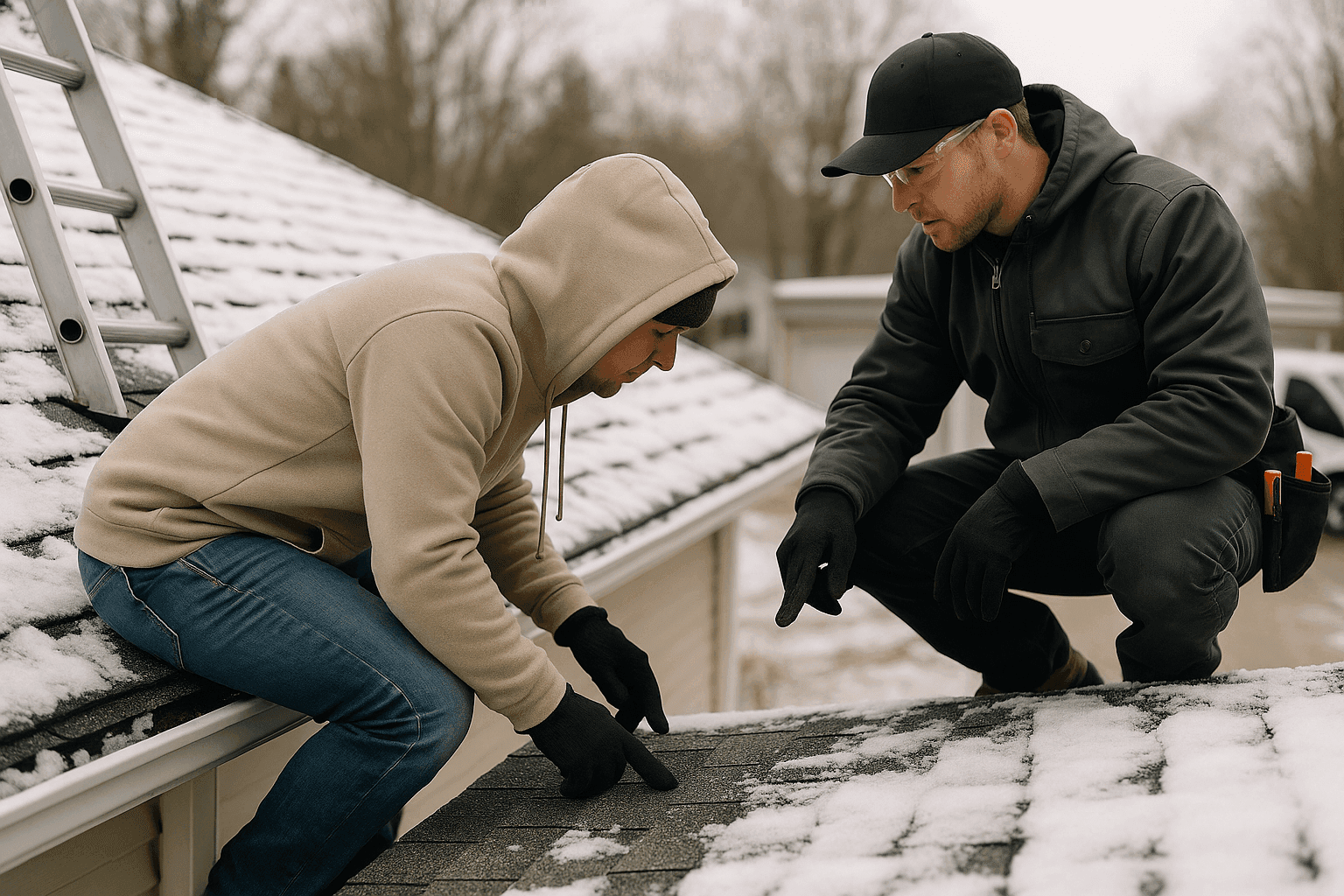
Every winter, roofs take a beating. Snow piles up. Ice creeps in. Wind howls. If you’re a homeowner or small business owner, you know the feeling—one storm can mean leaks, damage, or worse.
At Ferns Roofing, we’ve seen it all. Our emergency roofing crews work around the clock when winter hits hard. But most roof disasters can be avoided with a bit of preparation. Here’s how you can get your roof ready before the first snowflake falls.
Winter Roofing Challenges ❄️
Winter storms are tough on roofs. Here’s what you’re up against:
- Ice Dams: When heat escapes your attic, snow melts and refreezes at the eaves, forming thick ridges of ice. Water gets trapped, sneaking under shingles and into your home.
- Heavy Snow Loads: Wet, heavy snow is like stacking sandbags on your roof. Too much weight can cause sagging or even collapse.
- Freeze-Thaw Cycles: Water seeps into tiny cracks, freezes, and expands. Over time, this can pry apart shingles, flashing, and sealants.
- Wind Damage: Strong gusts can lift shingles or tear off flashing, leaving your roof exposed.
Ignoring these threats is like leaving your front door open in a blizzard. Small problems can turn into expensive emergencies overnight.
Pre-Winter Roof Inspection Checklist
A careful inspection is your first line of defense. Here’s what to look for before winter sets in:
- Shingles: Check for curling, cracking, or missing shingles. Even one damaged shingle can let water in.
- Flashing: Inspect metal flashing around chimneys, skylights, and vents. Look for rust, gaps, or loose edges.
- Gutters and Downspouts: Clear out leaves and debris. Make sure water flows freely away from your foundation.
- Attic Insulation: Peek into your attic. Insulation should be even and dry, with no signs of moisture or mold.
- Ventilation: Check for blocked vents or animal nests. Good airflow keeps your attic cold and helps prevent ice dams.
- Sealants and Coatings: Look for cracked or peeling sealant around joints and penetrations.
- Roof Decking: If you can access your attic, check for sagging or dark spots on the wood.
If you spot any issues, don’t wait. Small repairs now can save you from bigger headaches later.
Quick Safety Checklist for DIY Roof Checks
Before you grab a ladder, take a breath. Roof work—especially in winter—can be dangerous. Keep these safety tips in mind:
- Never climb on a wet, icy, or snow-covered roof.
- Use a sturdy, well-anchored ladder and wear slip-resistant shoes.
- Have someone nearby in case you need help.
- Don’t lean over roof edges or try to clear heavy snow by yourself.
- Use a roof rake with a long handle to remove snow from the ground.
- If you’re unsure, call a professional. Your safety comes first.
For detailed safety guidelines, consult resources like the Occupational Safety and Health Administration (OSHA).
DIY vs. Calling a Professional
Some things you can handle on your own—others need a pro’s touch. Here’s how to decide:
DIY Tasks
- Cleaning gutters and downspouts.
- Checking for visible shingle damage from the ground.
- Removing light snow with a roof rake.
Call a Professional If:
- You see widespread shingle or flashing damage.
- There’s evidence of leaks or water stains inside.
- Your roof is steep, high, or hard to access.
- You notice sagging, bowing, or structural issues.
- Ice dams have formed or snow is too heavy to remove safely.
Professionals have the right gear, training, and insurance. They can spot hidden problems and handle repairs safely—even in tough winter conditions.
What Professionals Do on Arrival
When you call Ferns Roofing for emergency roofing or pre-winter maintenance, here’s what to expect:
- Thorough Inspection: We check shingles, flashing, gutters, and attic spaces for hidden damage.
- Moisture Detection: Using specialized tools, we look for trapped moisture or leaks that aren’t visible to the eye.
- Structural Assessment: We assess the roof deck, trusses, and supports for signs of stress or sagging.
- Sealant and Coating Application: We apply weatherproof coatings to vulnerable areas as needed.
- Ventilation and Insulation Check: We evaluate attic airflow and insulation levels to help prevent ice dams.
- Immediate Repairs: If there’s urgent damage—like a leak or missing shingles—we make temporary or permanent fixes on the spot.
Our crews follow safety protocols and building codes recommended by organizations like the International Code Council (ICC).
Preventative Maintenance Tips
Think of roof maintenance like brushing your teeth. A little effort now keeps bigger problems away. Here’s how to protect your roof all winter long:
- Keep Gutters Clear: Clean gutters and downspouts before and after storms. Clogged gutters can lead to ice dams and water backup.
- Trim Trees: Remove overhanging branches that could break under snow and damage your roof.
- Apply Sealants and Coatings: Use cold-weather-approved products to seal around chimneys, skylights, and vents.
- Check Attic Insulation: Add insulation if your attic feels warm or you see uneven snow melting on your roof.
- Improve Ventilation: Make sure soffit and ridge vents are open and unobstructed.
- Schedule Regular Inspections: A professional inspection each fall can catch problems before they become emergencies.
- Consider Eco-Friendly Options: Reflective coatings and sustainable insulation materials can boost efficiency and durability.
The National Roofing Contractors Association (NRCA) recommends at least one roof inspection per year, ideally before winter.
Costs & Time Factors
Roof maintenance doesn’t have to break the bank. Here’s what to expect:
- DIY Gutter Cleaning: Usually takes a few hours and minimal supplies.
- Professional Inspection: Can take 1–2 hours, depending on roof size and complexity.
- Minor Repairs: Small fixes (like sealing flashing) are often completed the same day.
- Major Repairs or Replacements: May take several days, especially if weather delays work.
- Emergency Roofing Services: Response times vary, but Ferns Roofing offers 24/7 availability for urgent needs.
Remember, early maintenance costs less than major repairs after a storm.
When It’s an Emergency
Sometimes, winter storms hit harder than expected. Here’s when to call for emergency roofing help—day or night:
- Water is dripping or pouring into your home.
- Shingles, flashing, or gutters have been torn off by wind or ice.
- You see structural damage, like a sagging roof or cracked rafters.
- Snow or ice is causing immediate safety hazards.
Fast action can prevent further damage and protect your property. Ferns Roofing is ready to respond when you need it most.
FAQ: Winter Roofing Concerns
How can I tell if my roof is at risk for ice dams?
Look for icicles forming along the eaves and uneven patches of melted snow. Warm attics and poor ventilation are common causes.
Is it safe to remove snow from my roof myself?
Light, powdery snow can sometimes be cleared with a roof rake from the ground. Never climb onto a snowy or icy roof. If in doubt, call a professional.
What’s the best way to prevent winter roof leaks?
Regular inspections, clear gutters, proper attic insulation, and sealing vulnerable areas all help keep water out.
Can I wait until spring to fix minor roof damage?
Even small issues can get worse over winter. Freeze-thaw cycles and heavy snow can turn a tiny crack into a big leak. Address problems as soon as you spot them.
Special Considerations for Winter Roofing
Winter roofing work comes with unique challenges:
- Weather Delays: Snow and ice can slow down repairs or make them unsafe to perform right away.
- Material Limitations: Some sealants and coatings need specific temperatures to cure properly.
- Safety Risks: Working at heights in winter requires extra caution and experience.
- Insurance Claims: Document damage with photos and notes. Quick action can help with insurance processes.
Always work with licensed, insured professionals who follow safety and building codes.
When winter storms threaten your roof, preparation makes all the difference. Ferns Roofing is here 24/7 for emergency roofing, repairs, and maintenance.
Call Ferns Roofing now — or reach us anytime at 877-362-4465 .