How to Winterize Your Roof: Essential Tips for Homeowners and Businesses
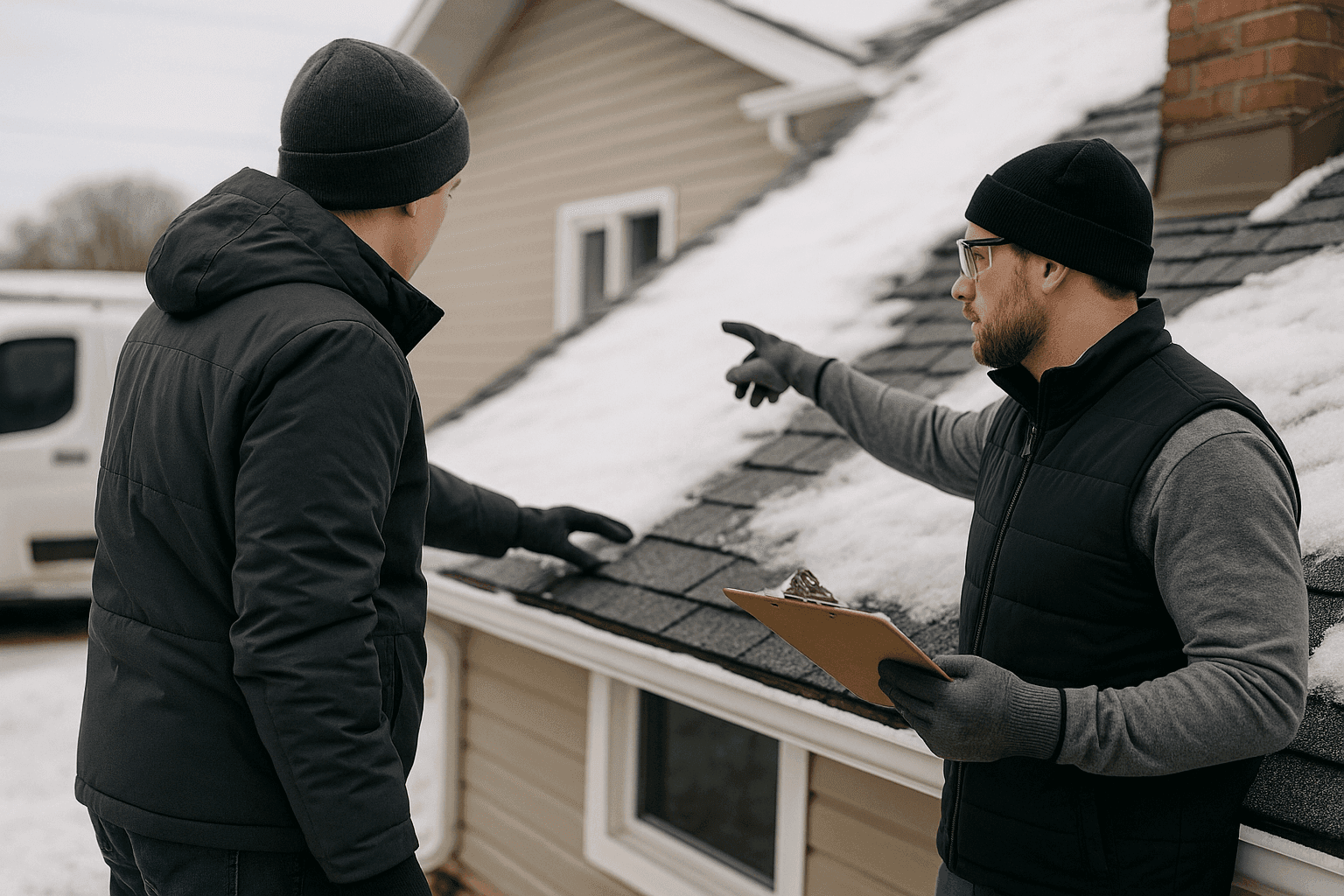
Winter can be beautiful. Icicles glinting in the sun, snow blanketing rooftops. But for homeowners and small businesses, winter’s chill brings a real threat: roof damage. Each year, snow, ice, and freezing rain put your roof to the test.
At Ferns Roofing, we’ve seen how a little preparation can mean the difference between a cozy season indoors and a frantic call for emergency roofing. Let’s walk through the steps you need to take—before the first snowflake falls.
Why Winter Preparation Matters
Imagine your roof as a shield. All year, it stands between you and the weather. But winter is a heavyweight opponent. Ice dams, heavy snow loads, and freeze-thaw cycles can turn tiny cracks into big leaks. Water backs up, shingles curl, and insulation gets soggy. Suddenly, you’re not just dealing with a drip—you’re racing against the clock to prevent bigger problems.
Industry sources like the National Roofing Contractors Association (NRCA) and the Insurance Institute for Business & Home Safety (IBHS) stress the importance of seasonal maintenance. A few simple steps now can save you thousands in repairs later.
Quick Safety Checklist 🛑
Before you touch a ladder or even glance at your gutters, run through this safety list:
- Never climb on a wet or icy roof.
- Use a sturdy, well-placed ladder—never lean or stretch.
- Wear shoes with good grip.
- Have a spotter if you’re working above ground level.
- Keep tools and debris clear of walkways.
- If you’re unsure, call a professional.
Remember: No roof is worth risking your safety.
Common Winter Roof Problems
Winter brings its own set of headaches. Here are a few to watch for:
- Ice Dams: Warm air escapes, melts snow, and refreezes at the eaves. Water backs up under shingles.
- Snow Load: Heavy snow strains the structure, sometimes leading to dangerous sagging.
- Freeze-Thaw Cycles: Water sneaks into cracks, freezes, and expands—making small gaps much worse.
- Clogged Gutters/Downspouts: Ice and debris block water flow, causing overflows and leaks.
- Wind Damage: Winter storms can rip shingles or flashing loose, creating entry points for water.
Inspecting Your Roof Before Winter
Grab your binoculars or smartphone camera. From the ground, look for:
- Missing, cracked, or curling shingles.
- Rusty or damaged flashing around chimneys, skylights, and vents.
- Sagging gutters or downspouts.
- Moss, algae, or debris buildup.
- Signs of leaks inside—water stains on ceilings or attic insulation.
If you spot anything suspicious, it’s time to act. Don’t wait for the next big storm.
Ventilation & Insulation: The Ice Dam Busters
Ice dams are sneaky. They form when heat from inside your home melts snow on the roof, which then refreezes at the colder edges. The secret weapon? Proper attic ventilation and insulation.
- Ventilation: Ridge vents, soffit vents, and attic fans help keep air moving, balancing temperatures.
- Insulation: A thick, even layer of insulation keeps warm air inside, where it belongs.
The U.S. Department of Energy recommends at least 10–14 inches of insulation in most attics. If you see uneven snow melting or icicles hanging from your roof, your attic may need attention.
Clearing Gutters and Downspouts
Clogged gutters are like blocked arteries—they stop water from flowing where it should. This can lead to water backing up under shingles or pooling around your foundation.
- Clean gutters and downspouts before the first freeze.
- Check for leaks or loose sections.
- Install gutter guards if debris is a recurring problem.
- Make sure downspouts direct water at least 3 feet away from your building.
If you’re not comfortable on a ladder, gutter cleaning is a job for the pros.
Applying Sealants and Protective Coatings
Sealants and coatings are like raincoats for your roof. They help prevent water from seeping into vulnerable spots.
- Use roofing-approved sealants on flashing, vents, and exposed fasteners.
- For flat roofs or older surfaces, consider a weather-resistant coating.
- Check manufacturer guidelines and building codes for approved products.
A little sealant now can stop a drip from becoming a disaster later.
Emergency Tips for Winter Storms
Sometimes, winter throws a curveball. Here’s what to do if trouble strikes:
- Roof Leak: Place buckets or towels under active leaks. Move valuables away. Don’t climb on the roof during a storm.
- Heavy Snow: If snow piles up, use a roof rake with a telescoping handle. Work from the ground—never climb up.
- Wind Damage: Secure loose shingles or flashing with temporary waterproof tape until repairs can be made.
- Downed Gutters: If gutters or downspouts are ripped loose, clear the area and call emergency roofing services.
FEMA and the Occupational Safety and Health Administration (OSHA) both advise against attempting risky repairs in bad weather.
Spotting Early Signs of Damage
Don’t wait for water to start dripping. Early warning signs include:
- Peeling paint or bubbling plaster near ceilings.
- Musty odors in the attic or upper floors.
- Unexplained spikes in heating bills (a sign of poor insulation).
- Water stains or damp insulation.
Catching these clues early can save you a world of trouble.
DIY or Call a Pro?
Some tasks are safe for confident DIYers. Others need a skilled hand.
DIY-Friendly:
- Visual inspections from the ground
- Gutter cleaning (with proper safety)
- Attic insulation checks
Call a Professional:
- Roof repairs or shingle replacement
- Flashing or sealant application
- Structural issues or sagging
- Emergency roofing after a storm
When in doubt, bring in a pro. Roofing work is dangerous, and mistakes can be costly.
What Pros Do On Arrival
When Ferns Roofing arrives, we start with a thorough inspection—inside and out. Here’s what to expect:
- Assess roof condition, including shingles, flashing, and decking
- Check ventilation and insulation in the attic
- Inspect gutters, downspouts, and drainage
- Identify weak spots, leaks, or damage from previous storms
- Recommend repairs, maintenance, or upgrades as needed
We follow guidelines from the NRCA and OSHA for safe, effective service.
Prevention & Maintenance: Your Winter Roof Routine 🧰
A little routine care goes a long way:
- Schedule a professional inspection each fall.
- Keep gutters and downspouts clear.
- Trim overhanging branches that could dump snow or ice.
- Check attic insulation and ventilation.
- Watch for early signs of leaks or damage.
- Apply sealants to vulnerable areas.
Consistency is key. Think of it as brushing your roof’s teeth—regular care prevents bigger problems.
Costs & Time Factors
Roof maintenance doesn’t have to break the bank. Here’s what to expect:
- Inspections: Usually take 1–2 hours for most homes or small businesses.
- Gutter cleaning: Can be done in an hour or two, depending on the size and height.
- Minor repairs: Patching leaks or replacing a few shingles can often be done same-day.
- Major repairs or replacement: May take several days, especially if weather delays work.
Materials, roof size, and accessibility affect cost and timing. Preventative work is almost always cheaper than emergency repairs.
When It’s an Emergency
Sometimes, you can’t wait. If you notice:
- Water pouring in during a storm
- Large sections of roof missing or sagging
- Gutters or downspouts torn away
- Dangerous ice buildup threatening collapse
Call for emergency roofing help immediately. Protect people and property first. Then let the professionals handle the rest.
FAQ: Winterizing Your Roof
How often should I have my roof inspected?
At least once a year—preferably before winter. After major storms, a quick check is smart.
Can I remove ice dams myself?
It’s risky. Use a roof rake from the ground if possible. Never use salt or chip away ice with sharp tools. For large or stubborn ice dams, call a professional.
What’s the best way to prevent leaks?
Keep gutters clear, maintain insulation and ventilation, and address small repairs before they grow.
Are eco-friendly roofing options available for winter climates?
Yes! Ferns Roofing offers sustainable materials and coatings designed for all seasons, including winter.
Special Considerations for Winter Roof Care
Every roof is different. Flat roofs may need extra attention to drainage. Metal roofs shed snow quickly but need secure fasteners. Tile and shingle roofs each have their quirks. Commercial buildings often have larger, more complex systems that require regular checks.
Always follow manufacturer recommendations and local building codes. And remember—when in doubt, call an expert.
Winter doesn’t have to mean worry. Take these steps now, and you’ll enjoy peace of mind all season long. For inspections, repairs, or emergency roofing, Call Ferns Roofing now — or reach us anytime at 877-362-4465 .