Residential Roofing: Choosing the Right System for Your Home
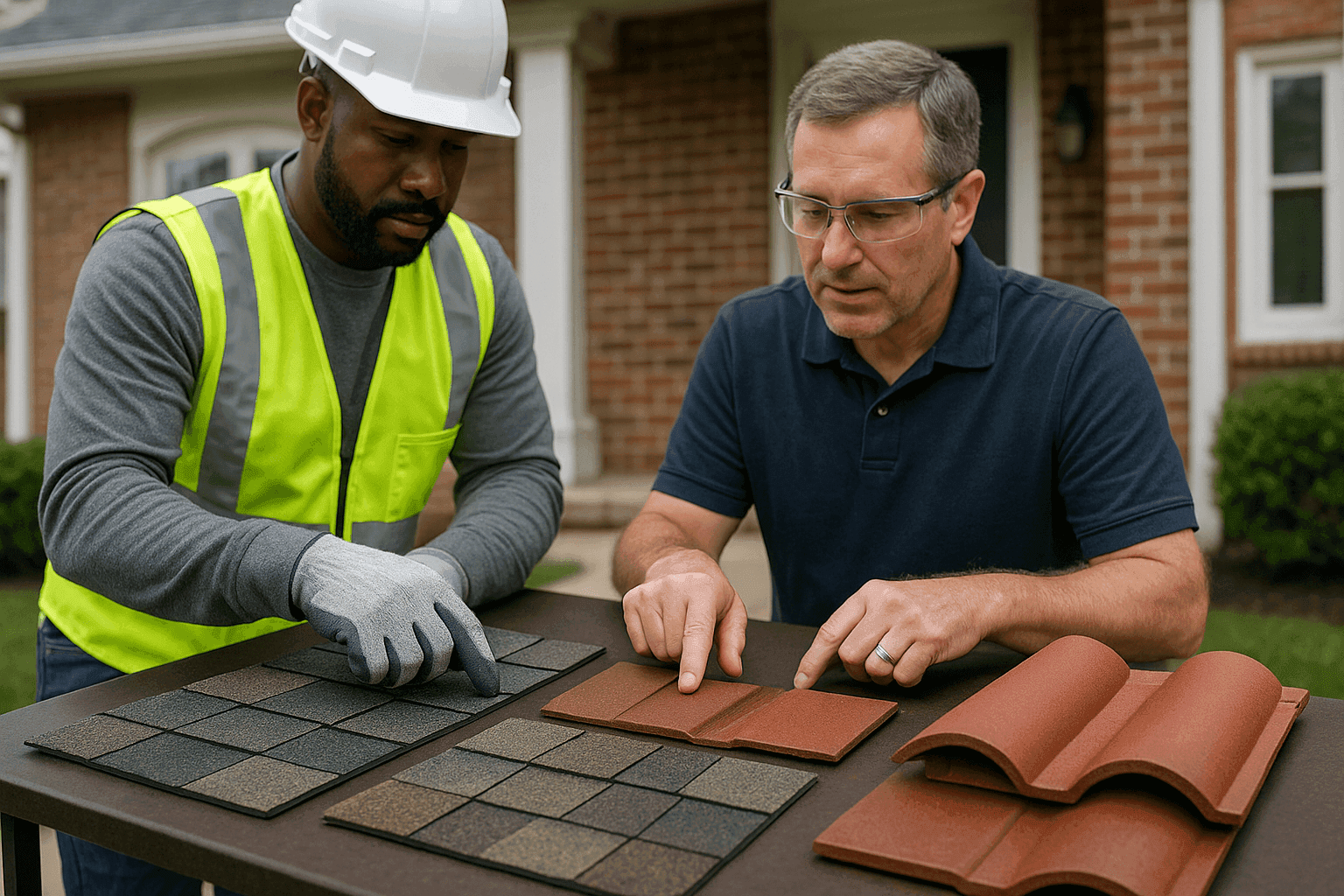
Choosing a new roof can feel like picking a new shield for your home. With unpredictable weather, energy costs, and style trends shifting every year, the stakes are high. The right roof isn’t just a hat—it’s the first line of defense against storms, leaks, and heat loss.
At Ferns Roofing, we know every home and family is different. Whether you’re dealing with storm damage restoration near you or planning a major upgrade, our manufacturer-certified team brings the experience and urgency that emergencies demand. Let’s break down your options so you can make a choice you’ll feel good about under every sky.
Types of Residential Roofs 🏠
Every home has its own character. Your roof should match not just the look—but the way you live, too. Here are the most popular residential roofing systems we install:
Shingle Roofs
- Material: Asphalt, fiberglass, or composite.
- Look: Classic, fits most architectural styles.
- Strengths: Affordable, widely available, easy to repair.
- Weaknesses: Shorter lifespan than some options, can be damaged by hail or heavy wind.
Shingles are the familiar go-to. They’re like sneakers for your house—reliable, practical, and easy to replace if one wears out.
Tile Roofs
- Material: Clay or concrete.
- Look: Mediterranean, Spanish, or modern flair.
- Strengths: Long lifespan, fire-resistant, excellent in hot climates.
- Weaknesses: Heavy, may require extra structural support, higher upfront cost.
Tiles have a timeless appeal. Think of them as the sturdy boots—tough, stylish, and built to last.
Metal Roofs
- Material: Steel, aluminum, or copper.
- Look: Sleek, contemporary, or rustic (depends on finish).
- Strengths: Highly durable, energy-efficient, low maintenance, reflects sun.
- Weaknesses: Can be noisy in rain (unless insulated), may dent from large hail.
Metal is like the shield in your home’s armor—lightweight but incredibly tough.
Flat Roofs
- Material: Modified bitumen, EPDM rubber, TPO, or PVC.
- Look: Modern, minimalist, often used for additions or contemporary homes.
- Strengths: Usable space (think rooftop garden), easier to inspect, good for solar panels.
- Weaknesses: Needs careful drainage, not ideal for heavy snow, shorter lifespan if not maintained.
Flat roofs work best where every square foot counts. They’re the rooftop equivalent of a clean, open workspace.
How to Choose the Right Roof for Your Home 🤔
Picking a roof is about more than looks or price. Here’s what to weigh before you decide:
Climate Considerations
- Frequent storms or hurricanes? Metal and tile roofs handle extreme weather better.
- Hot, sunny summers? Light-colored metal or tile reflects heat, keeping energy bills down.
- Snow and ice? Steep shingle or metal roofs shed snow better; flat roofs need robust drainage.
The best roof keeps your home comfortable through every season. Think of it as choosing the right coat—warm enough for winter, cool enough for summer.
Architectural Style
- Traditional homes: Shingles or tiles blend well.
- Modern/Contemporary: Metal or flat roofs fit clean lines and bold designs.
- Historic properties: Specialty shingles or clay tiles can preserve character.
Budget and Long-Term Value
- Shingles: Lower upfront cost, more frequent replacement.
- Metal/tile: Higher initial investment, lower maintenance, longer lifespan.
Local Building Codes & Safety
- Always check for local code requirements. At Ferns Roofing, our crews install to International Residential Code (IRC) and manufacturer specs for every project.
Environmental Impact
- Eco-friendly options like recycled metal or cool roof coatings can lower your carbon footprint—and your bills.
Cost and Longevity Comparison 💰
Roofs are an investment. Here’s how the main systems stack up over time:
Shingle Roofs
- Lifespan: 15–30 years.
- Cost: Lower upfront, regular maintenance needed.
- Best for: Homeowners planning to move soon, or those needing affordable emergency roofing.
Tile Roofs
- Lifespan: 40–50+ years.
- Cost: Higher, with extra for structural upgrades if needed.
- Best for: Long-term owners, fire-prone areas.
Metal Roofs
- Lifespan: 40–70 years.
- Cost: Mid to high, but pays off in energy savings and fewer repairs.
- Best for: Any climate, especially where storms hit hard.
Flat Roofs
- Lifespan: 10–25 years (depends on material).
- Cost: Moderate, but can rise if maintenance is skipped.
- Best for: Urban homes, additions, or where rooftop use is planned.
Tip: Always ask for a detailed estimate that includes tear-off, disposal, and ventilation upgrades. The cheapest price up front isn’t always the best value over decades.
Installation and Warranty 🛠️
A roof isn’t just materials. It’s the skill of the people who put it together. Here’s what to expect from Ferns Roofing:
Manufacturer-Certified Installers
Our crews complete regular training on every type of roof we install. Certification means your new roof meets the latest standards—and is eligible for full manufacturer-backed warranties.
What Happens During Installation
- Preparation: Old roof removal, deck inspection for structural issues.
- Repairs: We fix rot, leaks, or ventilation problems before new material goes on.
- Installation: Each layer installed to code, with weatherproofing and flashing in all critical areas.
- Final Inspection: Thorough check against manufacturer specs and safety guidelines (see National Roofing Contractors Association recommendations).
Warranty Coverage
- Material warranties: Provided by the manufacturer (usually 20–50 years depending on type).
- Workmanship coverage: Backed by Ferns Roofing’s installation standards.
Pro tip: Keep your warranty paperwork and ask for a “warranty transfer” if you sell your home.
Local Case Studies: Real Results from Ferns Roofing 🏡
Storm Recovery in the Suburbs
After a summer hailstorm, a family near you needed fast shingle replacement. Our emergency roofing team responded within hours. We documented all damage for their insurance provider, installed code-compliant materials, and completed the job with zero call-backs.
Urban Flat Roof Upgrade
A downtown duplex owner wanted to turn an aging tar roof into a usable deck. Ferns Roofing installed a TPO flat roof with proper drainage—and the owner now enjoys a rooftop garden safe from leaks.
Historic Tile Restoration
Preserving a 1920s bungalow meant sourcing matching clay tiles and reinforcing the roof deck. Our certified installers worked section by section, ensuring both authenticity and modern weather protection.
Practical Tips for Homeowners 📝
- Check your attic: Look for stains, mold, or daylight shining through. These are early signs of leaks.
- Clear gutters and downspouts: Especially after storms, to prevent water backup.
- Trim overhanging branches: Falling limbs can puncture even the toughest roofs.
- Schedule inspections: Annual checkups catch small issues before they become emergencies.
For code and safety guidelines, see the International Residential Code (IRC) and Occupational Safety and Health Administration (OSHA) recommendations.
Frequently Asked Questions
How do I know when my roof needs replacement?
Look for cracked, curling, or missing shingles, sagging areas, or repeated leaks. If your roof is past its expected lifespan, it’s time to schedule an inspection.
Can my new roof be installed in winter?
Yes, most modern materials can be safely installed year-round, but extra care is needed in cold or wet weather. Our crews use methods recommended by manufacturers for off-season work.
Are eco-friendly roofing options worth it?
Many homeowners find that cool roofs, recycled materials, and green coatings lower energy bills and last longer, offsetting the higher upfront cost.
What if I need emergency roofing after a storm?
Call Ferns Roofing for emergency roofing services and storm damage restoration near you. We respond quickly, document damage for insurance claims, and prioritize repairs to prevent further issues.
Local and Seasonal Considerations 🍂
Weather in your area can be unpredictable. Here’s what to keep in mind:
- Spring: Heavy rains test your roof’s drainage. Clean gutters and check for leaks.
- Summer: UV rays cause wear, especially on older shingles or sealants.
- Fall: Leaves and debris can block gutters—schedule a cleaning.
- Winter: Ice dams and heavy snow require strong underlayment and proper ventilation.
If you’re in an area prone to wildfires, consider fire-resistant options like metal or tile. Coastal homeowners should look for wind and salt-resistant materials.
Ready to Protect Your Home?
Your roof is more than just shelter—it’s peace of mind in every season. Whether you’re planning ahead or need urgent help after a storm, Ferns Roofing is here. Our manufacturer-certified team installs and repairs roofs built for the real world—rain, shine, or emergency.
Call Ferns Roofing now — or reach us anytime at 877-362-4465 .