Roof Cap Services: Protecting Peaks from Water and Pest Damage
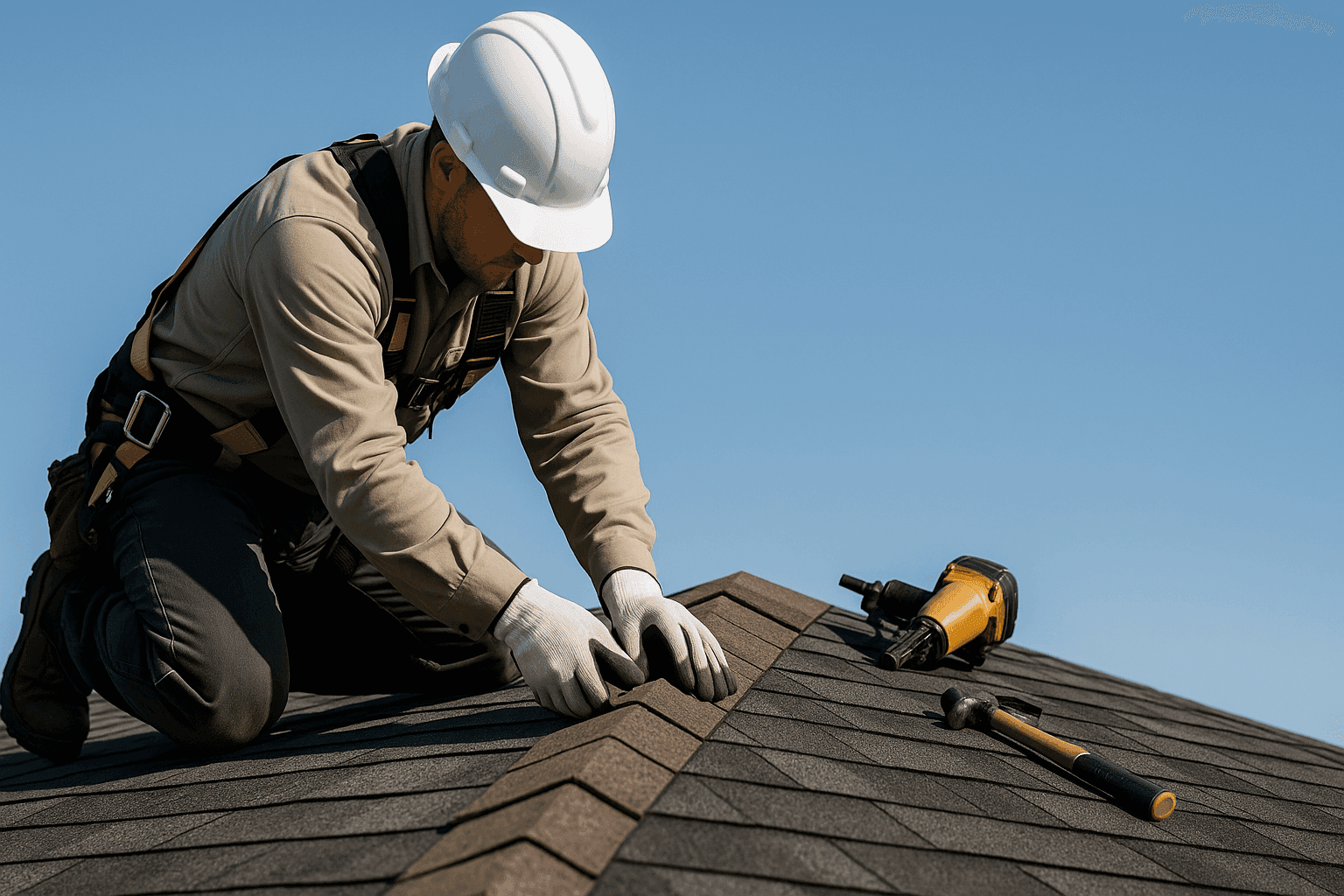
When the storm clouds gather and the wind howls, your roof takes the brunt. But it’s not just the wide, flat parts that matter. The very peak—where two slopes meet, or where the roof changes direction—is the gateway. And if that gateway isn’t sealed? Water, wind, and pests have an open invitation.
At Ferns Roofing, we know how critical those roof caps are. Whether you own a family home or manage a bustling commercial property, a compromised ridge or hip cap can turn a small leak into a major crisis. We’re here for both the sudden emergencies and the quiet, creeping problems you might not even spot—until it’s too late.
What Are Roof Caps? 🏠
Roof caps are the unsung heroes of your roof. Think of them as a knight’s helmet, guarding the most vulnerable line—the very top edge where two planes of the roof meet. These are called ridge caps (at the peak) and hip caps (along the diagonal edges).
Their job? Double duty:
- Keep water out. Rain, sleet, or melting snow can sneak in through tiny gaps at the top of the roof. Caps form a barrier, steering moisture safely away.
- Block pests. Mice, squirrels, and even wasps look for any crack to wiggle through. A well-fitted cap is like a locked door.
- Support ventilation. Modern roofs often use ridge vents under the cap. This ventilation lets hot air escape—crucial for comfort, energy efficiency, and preventing moisture buildup (and the rot or mold that follows).
The International Residential Code (IRC) and the National Roofing Contractors Association (NRCA) both stress the importance of properly installed ridge and hip caps. It’s not just for peace of mind—it’s for safety and long-term building health.
Common Cap Problems
Even the toughest roof cap can run into trouble. Here’s what to watch for:
Signs of Trouble
- Cracked or missing cap shingles: Wind, heavy rain, or old age can loosen or break cap tiles or shingles.
- Visible gaps at the peak: If you see daylight or can feel air rushing through, that’s a red flag.
- Water stains on ceilings or walls: Especially after storms, this can signal water sneaking in along the ridge.
- Pest droppings or nesting: Birds, rodents, and insects love easy access points.
- Rust or corrosion (on metal caps): Metal caps, especially on commercial or flat roofs, can rust, warp, or detach.
Why It Happens
- Storm damage: Hail, flying debris, or even just strong wind gusts can pry up or break ridge and hip caps.
- Aging materials: Over time, sun, rain, and freeze-thaw cycles wear away at shingles, tiles, or metal.
- Poor installation: If caps weren’t properly fastened or sealed, they can fail much sooner.
- Improper ventilation: Moisture trapped under the cap can rot wood and loosen nails or fasteners.
Benefits of Proper Installation
A well-installed roof cap is like a perfectly fitted crown—secure, snug, and built to last.
Why It Matters
- Waterproofing: The main shield against leaks. No shortcuts—just solid, weather-resistant protection.
- Ventilation: Good caps let your attic breathe, helping to control temperature and prevent moisture buildup. This means less risk of mold, ice dams, or warping.
- Pest control: With every seam sealed tight, critters and insects are kept outside where they belong.
- Energy savings: Proper ventilation and insulation at the peak can lower heating and cooling costs—a bonus for both homes and commercial spaces.
- Code compliance: Meets or exceeds standards outlined by the IRC and local building codes, which can matter for insurance or property value.
Repair and Replacement
Roof caps aren’t a set-it-and-forget-it feature. Like any part of your home or business, they need care.
When to Repair
- Minor cracks: Small splits or gaps can often be sealed with roofing cement or replaced individually.
- Loose fasteners or sealant: Sometimes, a quick adjustment or fresh bead of sealant does the trick.
When to Replace
- Missing caps: If caps have blown off, leaving bare wood or underlayment exposed, replacement is urgent.
- Soft or rotting wood under the cap: This means water’s been getting in for a while. The underlying structure may need repair, too.
- Multiple damaged sections: If several feet of cap—or more—are cracked, missing, or failing, it’s time for a full replacement.
The Ferns Roofing Advantage
- Emergency roofing response: When a storm hits, we’re ready for rapid assessment and repair.
- Pest- and weather-resistant materials: We use caps designed to hold up against local wildlife and the harshest weather.
- Expert installers: Our team follows manufacturer guidelines, code requirements, and real-world best practices—no shortcuts.
Quick Safety Checklist
Before you go up to check a roof cap—or even if you’re just looking from the ground—safety comes first.
- Don’t climb on wet or icy roofs.
- Use a sturdy ladder, secured at the base and top.
- Wear non-slip shoes and gloves.
- Avoid power lines or overhanging branches.
- If you see severe damage or feel unsafe, call a professional.
The Occupational Safety and Health Administration (OSHA) recommends fall protection and proper safety gear for all roof work. No shortcut is worth a trip to the ER.
DIY vs. Call a Pro
Some homeowners are handy. But roof caps are a special case.
DIY Might Be Okay If:
- You’re replacing a single cracked shingle or tile.
- The roof is low, with a gentle slope.
- You have the right tools and safety gear.
Call a Pro If:
- The damage is widespread.
- The roof is steep, high, or slippery.
- You spot signs of rot, pests, or water damage inside.
- You need emergency roofing after a storm.
Remember, a small mistake at the peak can cascade into big, expensive problems. There’s no shame in letting a seasoned crew handle it—especially for emergencies or on commercial buildings.
What Pros Do On Arrival
When Ferns Roofing arrives, here’s how we tackle your cap issue:
- Thorough inspection: We don’t just look at the ridge—we check the attic, insulation, underlying wood, and the surrounding roof.
- Photo documentation: We show you exactly what we find, so you’re never in the dark.
- Immediate weatherproofing: For emergencies, we apply temporary covers or sealants to stop further water entry.
- Precision repair or replacement: Using the right materials for your roof type—shingle, tile, metal, or specialty systems.
- Ventilation and pest checks: Ensuring your cap not only seals out water, but lets air flow and blocks animal intruders.
- Cleanup and final walk-through: Your property stays tidy and safe.
Prevention & Maintenance
A little attention now saves a lot of stress later.
- Annual inspections: Schedule a roof checkup, especially after severe weather.
- Clean gutters and downspouts: Blocked drainage can force water up under the cap.
- Trim overhanging trees: Less debris, less chance of branches damaging the peak.
- Check attic ventilation: Proper airflow keeps moisture from building up under the cap.
- Watch for signs: Stains, mold, or pests inside may point to cap issues up top.
The National Roofing Contractors Association suggests annual inspections, especially before and after storm season.
Costs & Time Factors
No two caps are the same, and costs can vary.
- Minor repairs (single shingle, small sealant jobs): Quick, often done in an hour or two.
- Partial replacement (several feet of cap, multiple cracks): Half a day, depending on roof access and weather.
- Full replacement (entire ridge, structural repair): A full day or more, especially if underlying wood is damaged.
Materials matter: asphalt, tile, metal, or specialty eco-friendly caps all have different price points. And emergency roofing calls may cost more after hours or during severe weather events.
When It’s an Emergency
Storm Damage Restoration near you means speed matters. If you spot water pouring in, daylight at the peak, or hear scratching in the attic, it’s time to act:
- Move valuables away from water-prone areas.
- Catch leaks with buckets or tarps if safe.
- Call Ferns Roofing for 24/7 emergency roofing help.
A compromised cap can escalate quickly—don’t wait until small drips turn into waterfalls.
FAQ
How often should roof caps be inspected?
At least once a year, and after major storms. Commercial roofs may need more frequent checks.
What’s the difference between a ridge cap and a hip cap?
Ridge caps run along the very top, while hip caps cover the diagonal edges on roofs with hips.
Can damaged caps cause attic mold?
Yes. When water leaks through the peak, it can soak insulation and wood, creating a perfect breeding ground for mold.
Are eco-friendly cap options available?
Absolutely. Ferns Roofing offers recycled and energy-efficient materials for both residential and commercial properties.
Local/Seasonal Considerations
Rain, snow, heat, and wind all test your roof’s defenses. In storm-prone regions, caps may need extra reinforcement. In snowy zones, ice dams can form along the ridge, pushing water up and under caps. Hot, sunny climates can warp shingles and dry out sealants faster.
Wherever you are, regular maintenance and quick response to damage keep your roof—your whole building—safe.
A strong roof starts at the top. Don’t let a missing or failing cap compromise the safety and comfort of your home or business. For emergency roofing, storm damage restoration near you, or routine roof cap care, Ferns Roofing is ready to help.
Call Ferns Roofing now — or reach us anytime at 877-362-4465 .