Roof Ventilation and Insulation: Boost Efficiency and Prevent Damage
Every season puts your roof to the test. When rain pounds, snow stacks up, or the sun bakes your shingles, your attic and insulation silently battle the elements. Most property owners don’t see the warning signs—until there’s a leak, spike in energy bills, or stubborn attic odor.
At Ferns Roofing, we’ve responded to countless calls for emergency roofing and storm damage restoration near you. Again and again, we see the same culprit: poor ventilation and insulation. Let’s break down why this matters, what can go wrong, and how to protect your home or business.
Why Ventilation Matters 🌬️
Imagine your roof is a runner. It needs to breathe. Block that airflow, and heat, humidity, and moisture start to choke your attic.
Proper ventilation lets hot air escape in summer and moist air out in winter. Without it, condensation forms on surfaces, insulation gets soggy, and wooden beams weaken—sometimes quietly for years.
Key benefits of solid roof ventilation:
- Reduces attic moisture and prevents mold
- Cuts risk of ice dams in snowy climates
- Lowers cooling bills in summer
- Extends the life of shingles, metal, and tile
- Supports HVAC systems—less strain, more savings
The International Residential Code (IRC) recommends a minimum of 1 square foot of ventilation for every 150 square feet of attic space. But every building is unique. Older homes, flat roofs, and commercial buildings may need a tailored approach.
Insulation Types: What’s Right for Your Roof?
Insulation works like a blanket—trapping heat in winter, blocking it in summer. But not all blankets are created equal.
Common insulation types:
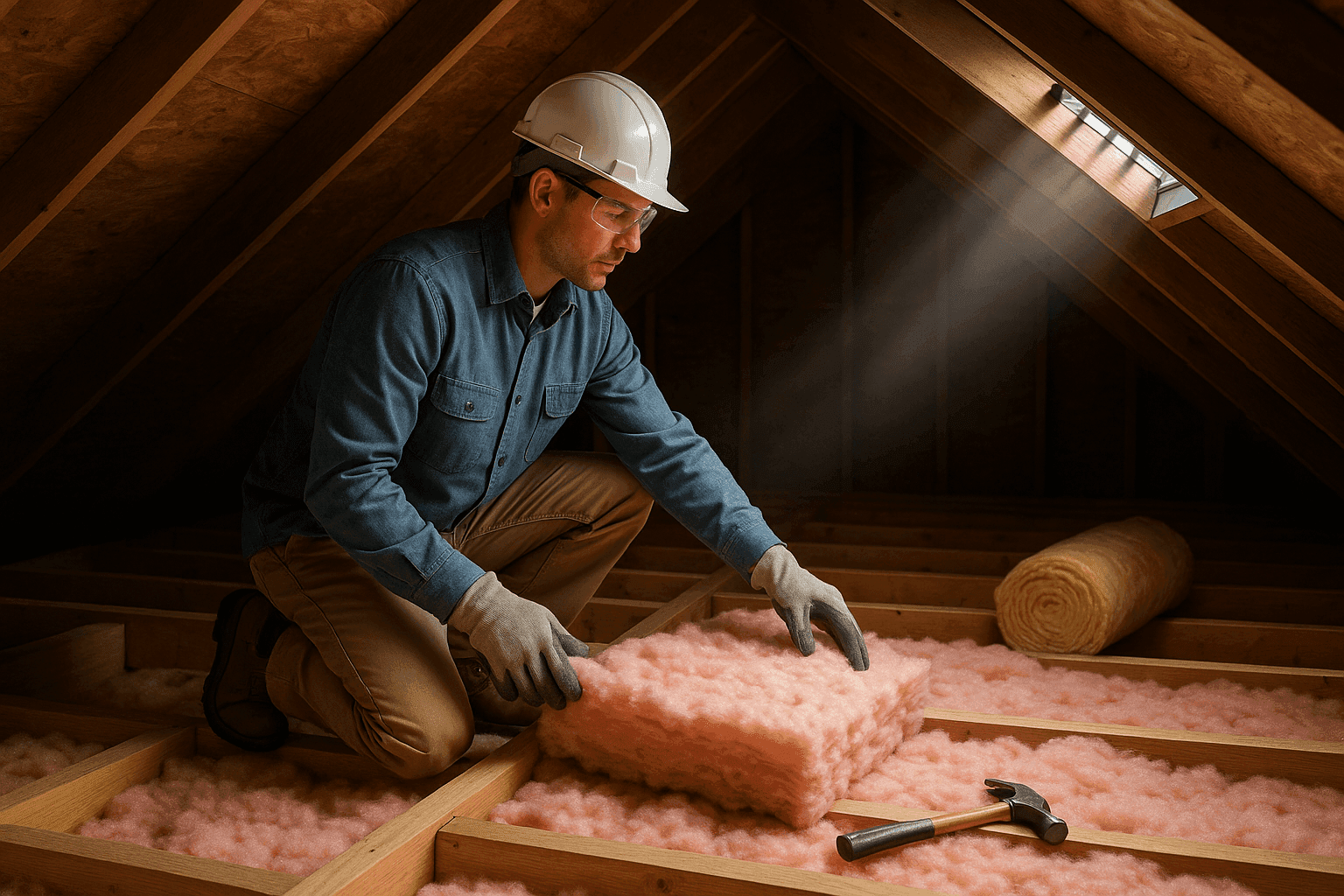
- Fiberglass batts: Affordable, easy to install, but needs careful fitting to avoid gaps.
- Blown-in cellulose: Good for filling nooks, eco-friendly, but can settle over time.
- Spray foam: High performance, seals air leaks, but costs more up front.
- Rigid foam boards: Often used in commercial or flat roofs, resists moisture.
Each type has pros and cons. The right choice depends on your climate, roof structure, and goals—whether you want storm damage restoration, energy savings, or both.
Pro tip: Insulation works best when paired with proper airflow. Otherwise, trapped heat and moisture can turn even the best insulation into a soggy mess.
Common Problems Caused by Poor Airflow 🚨
Ignoring ventilation and insulation is like ignoring the oil light in your car. Here’s what can go wrong:
- Attic moisture: Warm air rises and settles in the attic, leading to damp insulation, rotting wood, and mold growth.
- Ice dams: In cold climates, trapped heat melts roof snow, which refreezes at the eaves. Water backs up and leaks inside.
- High energy bills: A stifling attic forces your HVAC to work overtime, driving up costs.
- Shortened roof life: Heat and moisture accelerate shingle and underlayment breakdown.
- Musty odors: Mold and mildew love damp, unventilated spaces.
Look for signs: water stains on ceilings, peeling paint, damp insulation, or ice at the roof edge. If you spot these, it’s time to act.
Upgrade Solutions: Boost Efficiency, Prevent Damage
Ready to improve your roof’s health? Here’s how Ferns Roofing approaches ventilation and insulation upgrades:
1. Inspection Steps
A thorough inspection is the first step. Certified installers at Ferns Roofing check:
- Attic insulation depth and coverage
- Signs of moisture, mold, or rot
- Existing vents (ridge, soffit, gable, powered)
- Airflow patterns—using smoke pencils or thermal cameras
- Roof deck and flashing for leaks
We also perform energy audits to spot hidden inefficiencies.
2. Smart Ventilation Upgrades
Depending on your needs, we may recommend:
- Adding or replacing soffit, ridge, or gable vents
- Installing attic fans for stubborn hot spots
- Sealing air leaks around pipes, chimneys, and attic hatches
- Balancing intake and exhaust for even airflow
Every solution is code-compliant and tailored to your building.
3. Insulation Improvements
We upgrade or supplement insulation by:
- Adding vapor barriers to block moisture
- Topping up blown-in or batt insulation to meet R-value targets
- Using eco-friendly materials for greener homes
- Ensuring insulation doesn’t block vents
4. Before & After: Real Improvements
After upgrades, you’ll notice:
- Lower utility bills
- Fewer drafts and hot/cold spots
- No more musty attic smells
- Peace of mind—knowing your roof is protected
Common Problems Caused by Poor Airflow
Poor airflow is a silent destroyer. Here are the top issues Ferns Roofing sees during emergency roofing calls:
- Moisture damage: Dripping insulation, warped decking, and stained ceilings.
- Ice dams: Thick ridges of ice at the roof edge, causing leaks inside.
- Mold growth: Dark spots on rafters, musty attic air, and allergic reactions.
- HVAC stress: Air conditioners and furnaces running non-stop.
Upgrade Solutions
You don’t need to live with these risks. Ferns Roofing provides:
- Storm Damage Restoration near you: Quick repairs and upgrades after weather hits.
- Energy audits: Identify where your home or business is losing money.
- Certified installation: Our team follows building codes and manufacturer specs.
- Before/after documentation: See and feel the difference.
Quick Attic Safety Checklist
Before you peek into your attic or consider a DIY fix, check these safety basics:
- Wear a mask and gloves—attics can harbor dust, mold, and sharp nails
- Use stable ladders and sturdy boards to avoid stepping through the ceiling
- Watch for exposed wiring or old insulation (especially vermiculite or asbestos)
- Avoid working alone—attics can get dangerously hot or stuffy
If you spot anything risky, call Ferns Roofing. Safety first.
DIY vs. Call a Pro
Some tasks are safe for handy homeowners: topping up insulation, clearing vent openings, or checking for visible leaks. But many upgrades—especially involving structural repair, electrical, or working on steep roofs—are best left to certified professionals.
Why? Mistakes can cost you. Improper insulation can block airflow. Poorly installed vents can leak. And a small oversight can turn into a big, expensive problem.
What Pros Do On Arrival
When Ferns Roofing arrives, here’s what you can expect:
- Full attic and roof inspection, inside and out
- Moisture readings and thermal imaging
- Checking for code compliance and safety hazards
- Clear, honest assessment—no scare tactics, just facts
- Recommendations tailored to your roof, climate, and budget
We’ll show you before-and-after photos so you know exactly what’s been done.
Prevention & Maintenance
Keep your roof healthy year-round with these steps:
- Schedule a professional inspection every 2–3 years—or after major storms
- Clean gutters and downspouts to prevent water backups
- Check attic insulation and look for bare spots or damp areas
- Watch for signs of poor ventilation: ice dams, musty smells, or hot attic air
Regular maintenance catches small issues before they become expensive emergencies.
Costs & Time Factors
How much do upgrades cost? It depends on roof size, access, insulation type, and whether you need structural repair or storm damage restoration. Most attic ventilation and insulation jobs take one to three days.
Upfront investment pays off—many customers see lower energy bills within months and avoid costly emergency roofing repairs down the road.
When It’s an Emergency
Certain signs mean you need help fast:
- Water actively dripping from the attic or ceiling
- Large ice dams forming after snowstorms
- Mold growth spreading rapidly
- Collapsed insulation or sagging ceilings
Ferns Roofing responds 24/7. Our emergency roofing team is ready—rain, snow, or shine.
FAQ
Q: How often should my attic insulation be checked?
A: Check insulation every few years, or after heavy storms or roof leaks. Damaged or damp insulation needs replacing.
Q: Will better ventilation really lower my energy bills?
A: Yes—proper airflow reduces attic heat in summer, so your AC runs less. In winter, it helps prevent ice dams and moisture damage.
Q: Can I install attic fans myself?
A: Some powered fans are DIY-friendly, but improper wiring or placement can cause more harm than good. Consider professional installation for safety and code compliance.
Q: What’s the best insulation for flat roofs?
A: Flat roofs often use rigid foam or spray foam for moisture resistance. Commercial roofs may need special assemblies—ask for an inspection.
Local/Seasonal Considerations 🌡️
Every region has its quirks. In humid climates, moisture control is critical—vapor barriers and balanced airflow are key. In snowy areas, watch for ice dams and be sure insulation fully covers the attic floor.
Commercial properties often have larger, more complex roofs—requiring custom ventilation strategies. Ferns Roofing tailors solutions to your building, your weather, your future plans.
Ready to Boost Your Roof’s Efficiency?
Don’t wait for a leak, a spike in bills, or the next big storm. Ferns Roofing offers certified attic inspections, energy audits, and insulation upgrades for both homes and businesses. We’re here when you need emergency roofing, storm damage restoration near you, or just peace of mind.
Call Ferns Roofing now — or reach us anytime at 877-362-4465 .