The Ultimate Guide to Roof Ventilation and Insulation for Energy Efficiency and Longevity
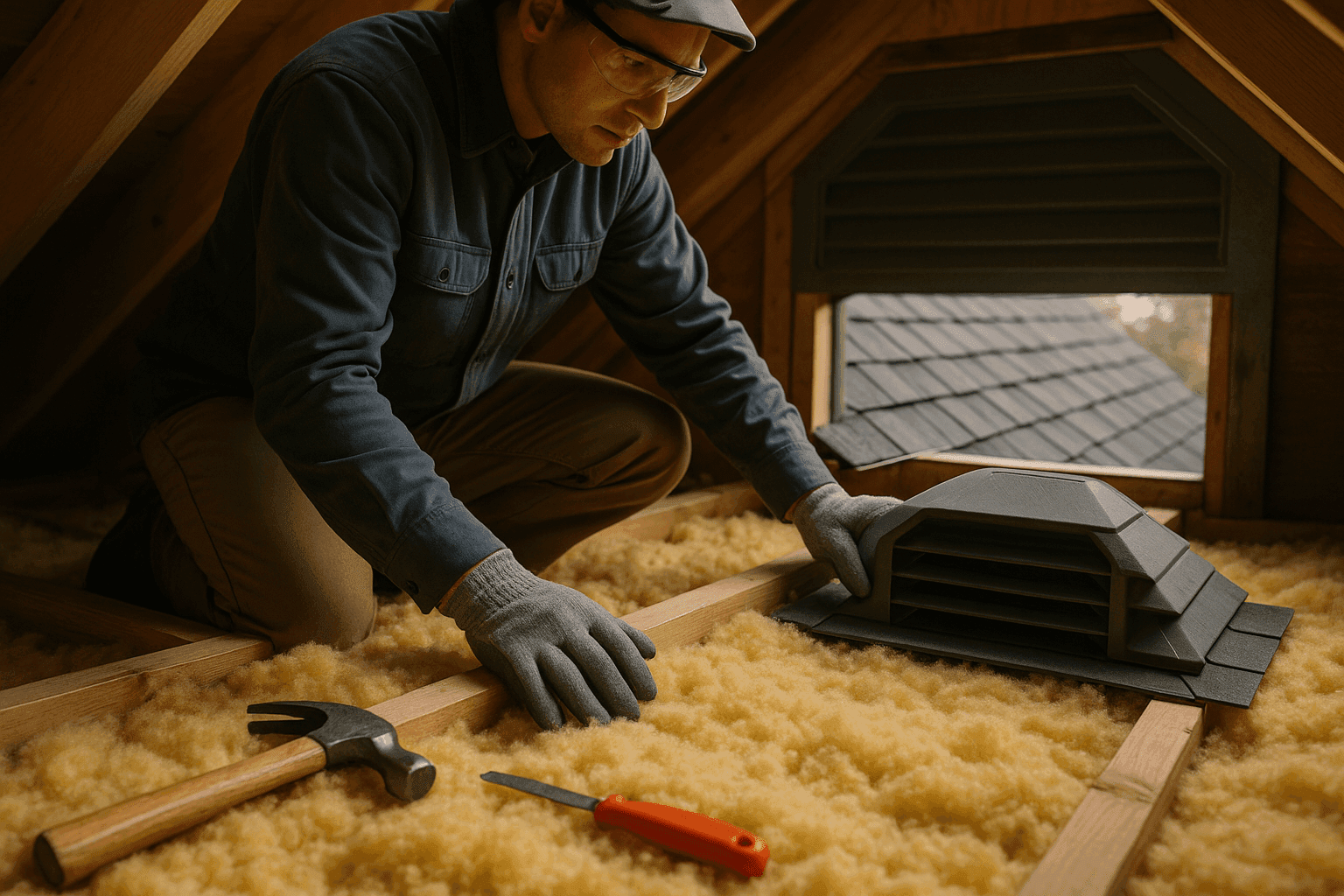
Is your home too hot in summer, too cold in winter, or always fighting off dampness? You’re not alone. Many homeowners and small business owners struggle with high energy bills and roof problems that seem to come out of nowhere.
At Ferns Roofing, we know a healthy roof is more than just shingles and nails. The secret often lies above your head—hidden in proper ventilation and insulation. Let’s break down why these two elements are the backbone of energy efficiency and long-lasting roofs.
Why Roof Ventilation and Insulation Matter
Imagine your roof as a hat for your building. If it’s too tight, air can’t flow. If it’s too loose, heat escapes. Both scenarios create headaches—mold, leaks, soaring utility bills, and even emergency roofing calls after a storm.
Ventilation lets your roof “breathe.” It moves stale air out and fresh air in. Insulation is the cozy blanket that keeps temperatures steady inside, no matter what’s happening outdoors.
Together, they:
- Prevent moisture buildup (goodbye, musty smells and mold)
- Stop ice dams from forming in winter
- Reduce heat damage to roofing materials
- Lower your energy bills
- Extend the life of your roof
The right setup can mean the difference between a roof that lasts decades and one that needs frequent repairs.
How Ventilation Works: Types & Benefits
There’s no one-size-fits-all solution. Let’s explore the most common types of roof ventilation and how they help:
Ridge Vents
These run along the peak of your roof. Like a chimney for hot air, they let warm, humid air escape from the attic.
Pros:
- Continuous airflow across the attic
- Low profile (barely visible from the ground)
- No moving parts to maintain
Cons:
- Must be paired with soffit vents for best results
- Improper installation can lead to leaks
Soffit Vents
Installed under the eaves, soffit vents pull in cool, fresh air from outside.
Pros:
- Essential for balanced airflow
- Helps prevent ice dams and mold
- Works quietly in the background
Cons:
- Can get blocked by insulation or debris
- Needs regular inspection
Attic Fans
These use electricity or solar power to actively push hot air out.
Pros:
- Boost airflow in stuffy attics
- Helpful in heat-prone climates
Cons:
- Requires power source
- Can pull conditioned air from living spaces if not sealed properly
Gable Vents
Mounted on the roof’s end walls, these allow cross-ventilation.
Pros:
- Simple and effective for some roof styles
- Adds character to older homes
Cons:
- Can let in rain or pests if not screened
- Less efficient than ridge/soffit combinations
Insulation: Your Roof’s Thermal Shield
Insulation is the unsung hero of comfort and efficiency. It’s the layer that keeps your heated or cooled air where you want it—inside.
Common Insulation Materials
- Fiberglass batts: Affordable, easy to install, but can sag over time.
- Blown-in cellulose: Fills gaps well, made from recycled materials, but can settle.
- Spray foam: Excellent air seal, high R-value, but higher upfront cost.
- Rigid foam boards: Great for flat roofs, resists moisture, but needs careful installation.
Pros and Cons
- Fiberglass: Cost-effective, but loses effectiveness if wet.
- Cellulose: Eco-friendly, but can absorb moisture.
- Spray foam: Superior air sealing, but must be installed by pros.
- Foam boards: Durable, but more expensive.
The right choice depends on your roof type, budget, and climate.
The Problems of Poor Ventilation and Insulation
Think of a closed car on a hot day. That’s your attic without ventilation. Heat builds up, baking your shingles from the inside out. In winter, trapped moisture turns to frost and drips down when it melts—feeding mold and rot.
Here’s what can go wrong:
- Ice dams: Snow melts on a warm roof, refreezes at the eaves, and backs up under shingles.
- Mold and mildew: Damp, stagnant air breeds spores that can creep into living spaces.
- Peeling paint and warped wood: Water vapor seeks the path of least resistance.
- Premature roof aging: Heat and moisture break down roofing materials, leading to leaks and emergency repairs.
Quick Safety Checklist 🛠️
Before you poke your head into the attic or climb a ladder, safety comes first. Here’s what to keep in mind:
- Wear gloves, long sleeves, and a dust mask to avoid insulation fibers.
- Use a sturdy ladder and have someone nearby.
- Watch for exposed nails, wires, or pests.
- Never step between joists—only on the joists themselves.
- If you see signs of water damage, mold, or sagging, call a professional.
DIY or Call in the Pros?
Some jobs are weekend projects. Others need a practiced hand.
DIY May Work If:
- You’re adding insulation batts to an accessible attic.
- Replacing a missing vent cover.
- Clearing minor debris from soffit vents.
Call Ferns Roofing For:
- Persistent leaks or moisture problems
- Upgrading or installing new ventilation systems
- Spray foam or blown-in insulation
- Emergency roofing needs after a storm
- Structural issues or visible mold
Remember, mistakes can be costly. A misplaced vent or compressed insulation can do more harm than good.
What Pros Do On Arrival
When Ferns Roofing shows up, here’s what you can expect:
- Full Roof & Attic Inspection: We check for signs of water, mold, or heat damage. We look inside and out.
- Ventilation Assessment: We measure airflow and locate blockages or missing vents.
- Insulation Evaluation: We check depth, coverage, and type. Are there gaps? Is it damp?
- Moisture Testing: Using moisture meters, we find hidden leaks or condensation.
- Recommendations: You get honest advice—what’s urgent, what can wait, and what will save you money long-term.
We follow industry guidelines, including those from the International Residential Code (IRC) and recommendations from ENERGY STAR®.
Preventative Maintenance Tips
A little care goes a long way. Here’s how to keep your roof’s “lungs” and “blanket” in top shape:
- Check attic insulation twice a year for settling or damp spots.
- Clear debris from soffit and ridge vents each season.
- Watch for ice dams after snowfall—remove with a roof rake if safe.
- Inspect attic fans for dust buildup or loose wiring.
- Look for signs of condensation, such as wet insulation or rusty nails.
- Schedule a professional inspection every few years, especially after severe weather.
Costs & Time Factors
Every roof is different, but here’s what affects the price and timeline:
- Roof size and pitch: Steeper or larger roofs take longer and require more materials.
- Type of insulation/ventilation: Spray foam costs more than fiberglass batts; ridge vent installs are more involved than gable vents.
- Existing issues: Mold remediation or structural repairs add time and cost.
- Accessibility: Tight or cluttered attics slow things down.
A simple vent or insulation upgrade may take a few hours. Major overhauls or emergency roofing repairs can stretch over several days.
When It’s an Emergency
Sometimes the weather doesn’t wait. Here’s when to act fast:
- Water is actively dripping from your ceiling.
- You spot mold or mildew spreading rapidly.
- There’s visible sagging or buckling in the attic.
- A recent storm has torn off vents or damaged insulation.
Quick action prevents further damage. Emergency roofing services from Ferns Roofing are available day and night to keep your property safe.
Frequently Asked Questions
How do I know if my attic is properly ventilated?
Look for signs like uneven temperatures, musty smells, or condensation on rafters. If in doubt, a professional inspection is best.
Can I add more insulation myself?
You can, if your attic is easy to access and you follow safety guidelines. But for spray foam or if you see signs of moisture, call a pro.
How often should I check my vents and insulation?
Twice a year is a good rule—once in spring and once in fall. Always check after severe weather.
Will better insulation really lower my energy bills?
Yes. According to ENERGY STAR®, proper insulation and ventilation can reduce heating and cooling costs by up to 20%.
Special Considerations for Roof Ventilation & Insulation
Every building is unique. Flat roofs, metal roofs, and older homes all have special needs.
- Flat roofs: Require specific insulation types and careful moisture control.
- Metal roofs: Need vapor barriers to prevent condensation.
- Historic homes: May have limited attic space or unusual framing—custom solutions are key.
- Skylights and chimneys: Need extra attention to flashing and insulation around openings.
If you’re planning a new roof, addition, or major renovation, talk to Ferns Roofing early. We can design a system that fits your building’s style and your budget.
Ready to breathe easier and save on energy? Call Ferns Roofing now — or reach us anytime at 877-362-4465 .